

In memoriam Manfred Mädler (1934–2026)
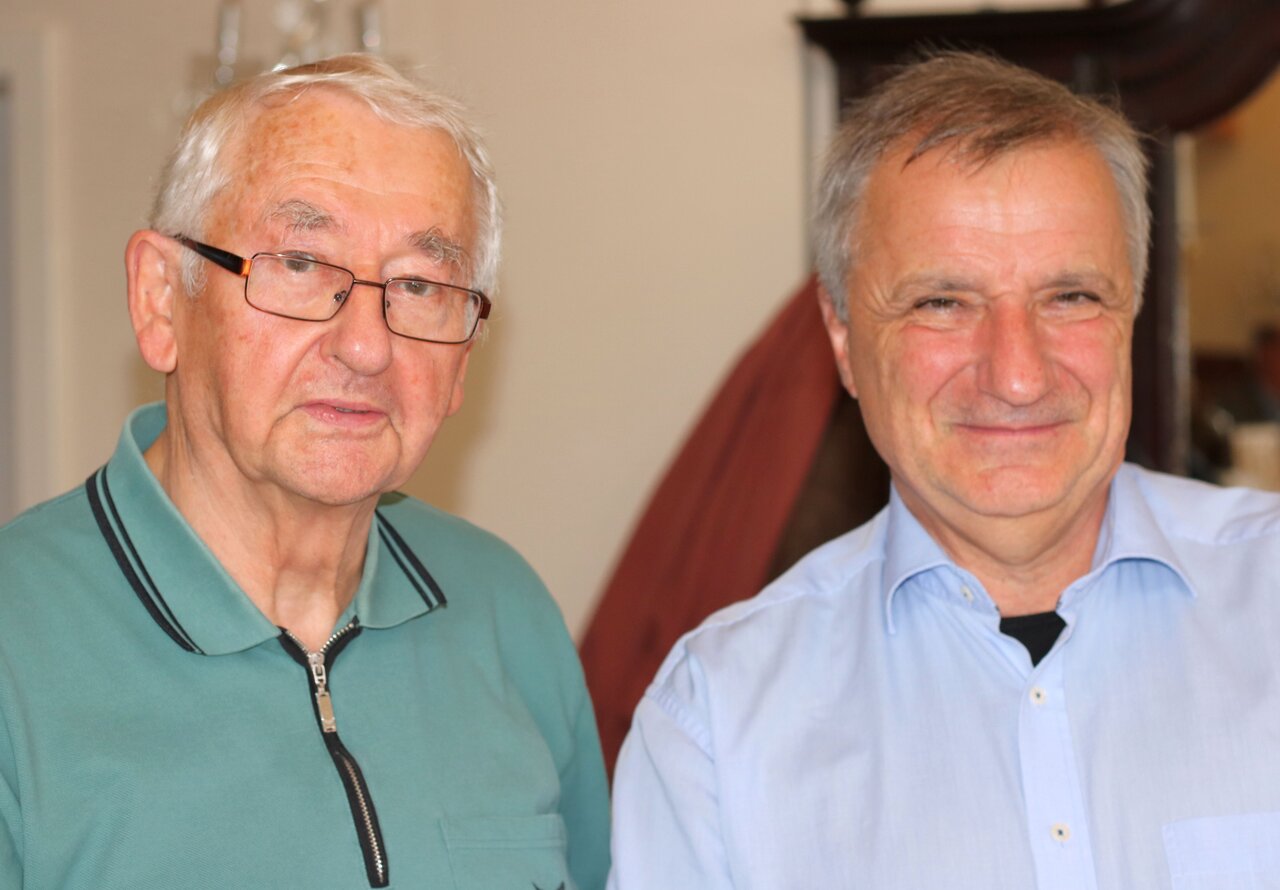
15 July 1934 – 31 October 2026
A personal obituary by Michael Negele – with reminiscences and voices from Gerhard Ihlenfeldt, Ralf Jürgen Binnewirtz and Bernd Schneider
With the passing of Manfred Mädler on 31 October 2026 at the age of 92, the German chess community has lost one of its most influential, versatile and cherished personalities. Manfred was far more than a masterly correspondence chess player, a successful proprietor of a specialist chess bookstore (Schachhändler) and an esteemed chess journalist; he was a true gatherer of souls in the finest sense of the word, a passionate storyteller and a living bridge spanning eight decades of German chess and contemporary history. For me personally, his demise represents the loss of a fatherly friend and companion with whom I was united over three and a half decades by unforgettable encounters, profound intellectual discourse and a shared devotion to literature and chess culture.
The Personal Obituary by Michael Negele
From the Cologne Tournament Scene to the Düsseldorf Antiquarian Chessbook Store
I first met Manfred Mädler in person around the year 1990. It was, if my memory serves me correctly, at a Spar-Himmelreich-Turnier in Cologne, where the resident of Düsseldorf operated his richly stocked bookstall. Already at this very first meeting, his engaging charm, his refined sense of humour and his inimitable enthusiasm for chess literature held me utterly spellbound.
From autumn 1992 onwards, my visits to Manfred became an established ritual: regularly on Saturdays, I made my pilgrimage to Schachhaus Mädler in Lilienthalstraße near Düsseldorf Airport (the bookshop having previously been located at Niederrheinstraße 106). Browsing through Manfred’s wonderful antiquarian chess shop was a genuine treasure trove for any lover of books. Yet it was by no means merely the printed word that drew me there. Unforgettable to me remain the hours-long conversations, invariably seasoned with fresh and delightful anecdotes from the world of the royal game. Manfred understood better than anyone how to bring the events and protagonists of chess history vividly to life.
Schachhaus Mädler, which he had originally founded in Lübeck in 1972 and conducted from Düsseldorf from 1975 onwards, had long since become a Mecca for collectors and bibliophiles from across the globe. When Manfred and his wife decided in 1996 to depart Düsseldorf and relocate to Dresden, this farewell signified a real diminution of "quality of life" for me personally.
-
 Michael Negele
-
 Michael Negele
-
 Michael Negele
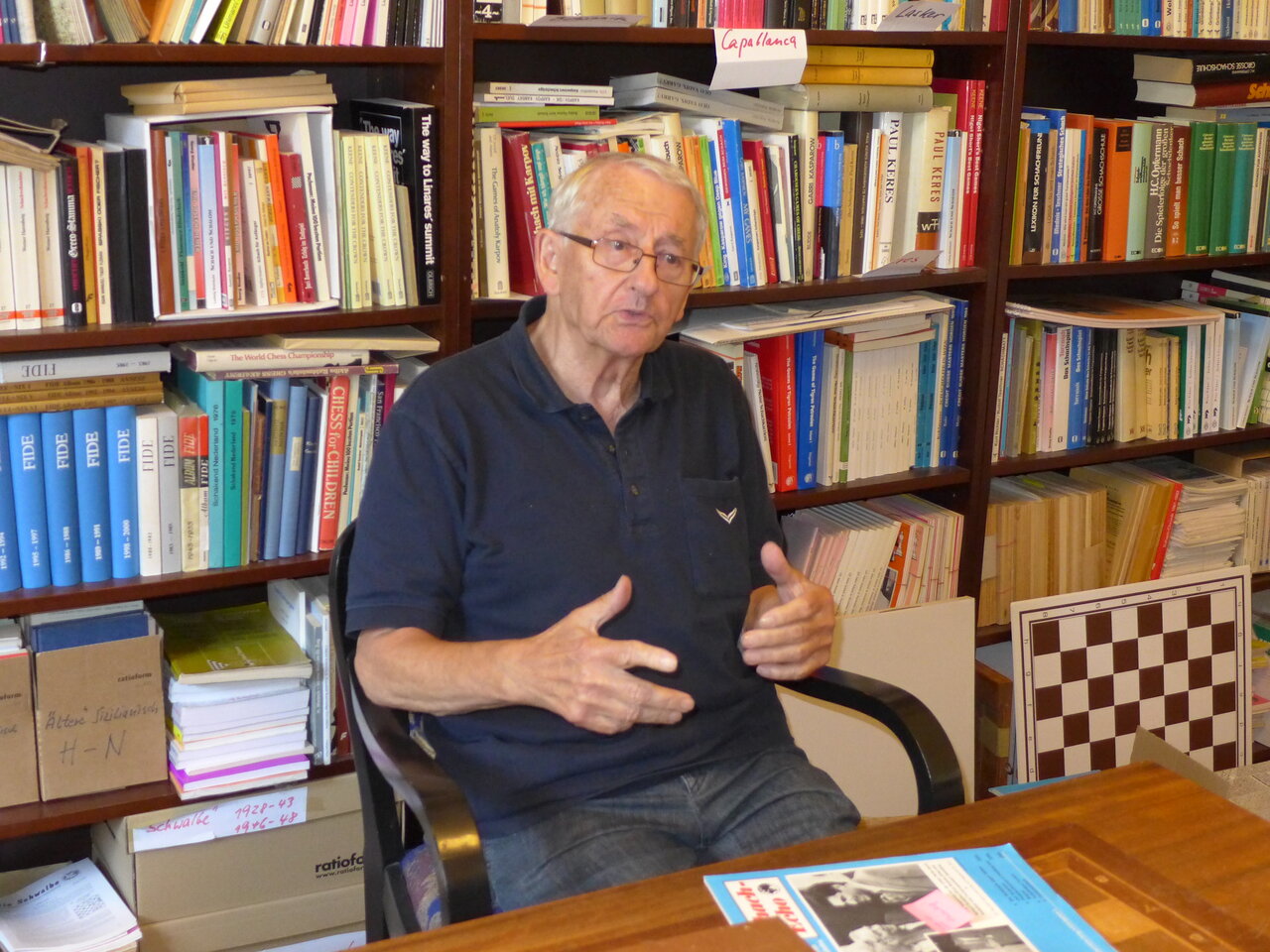
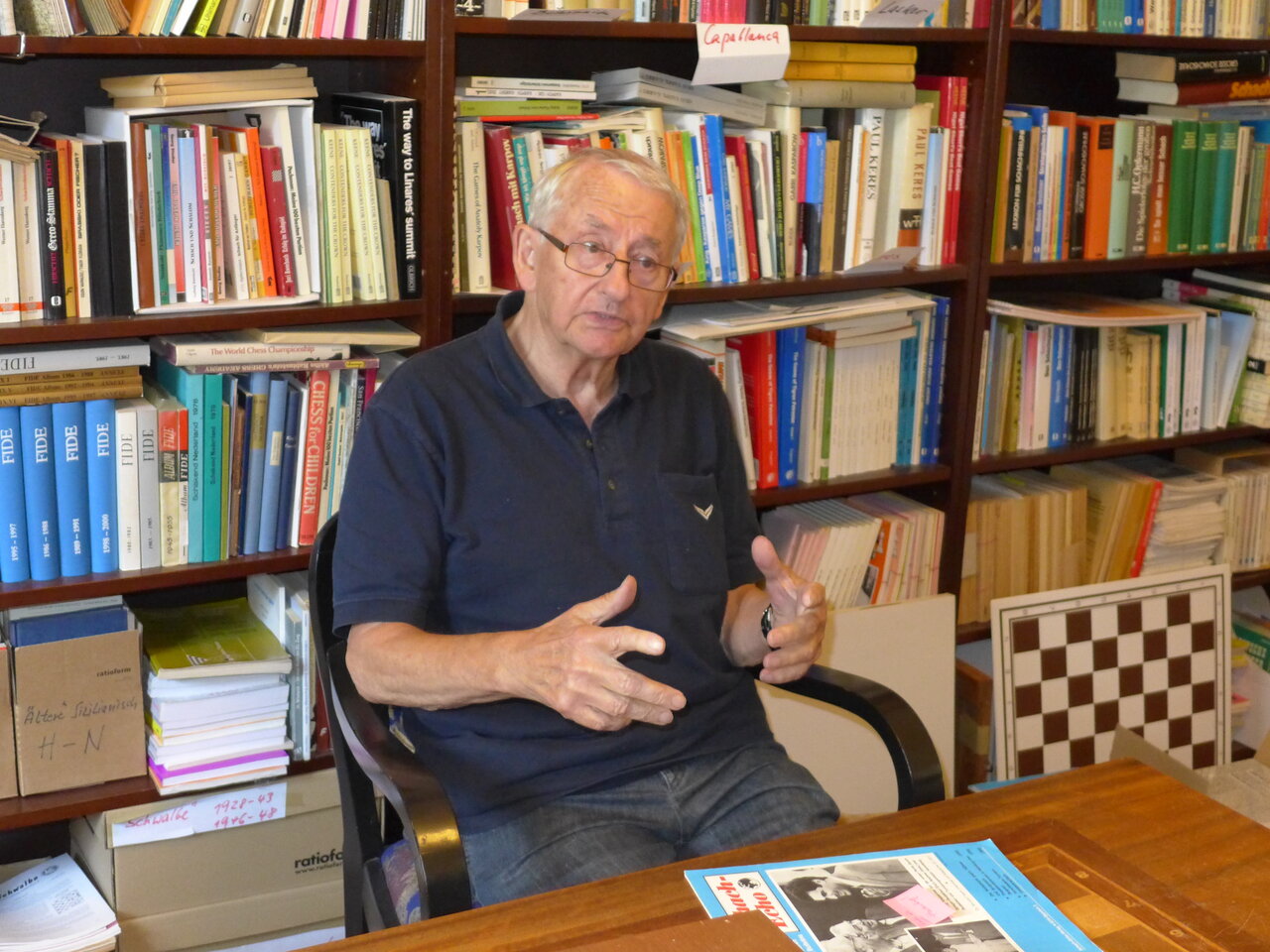
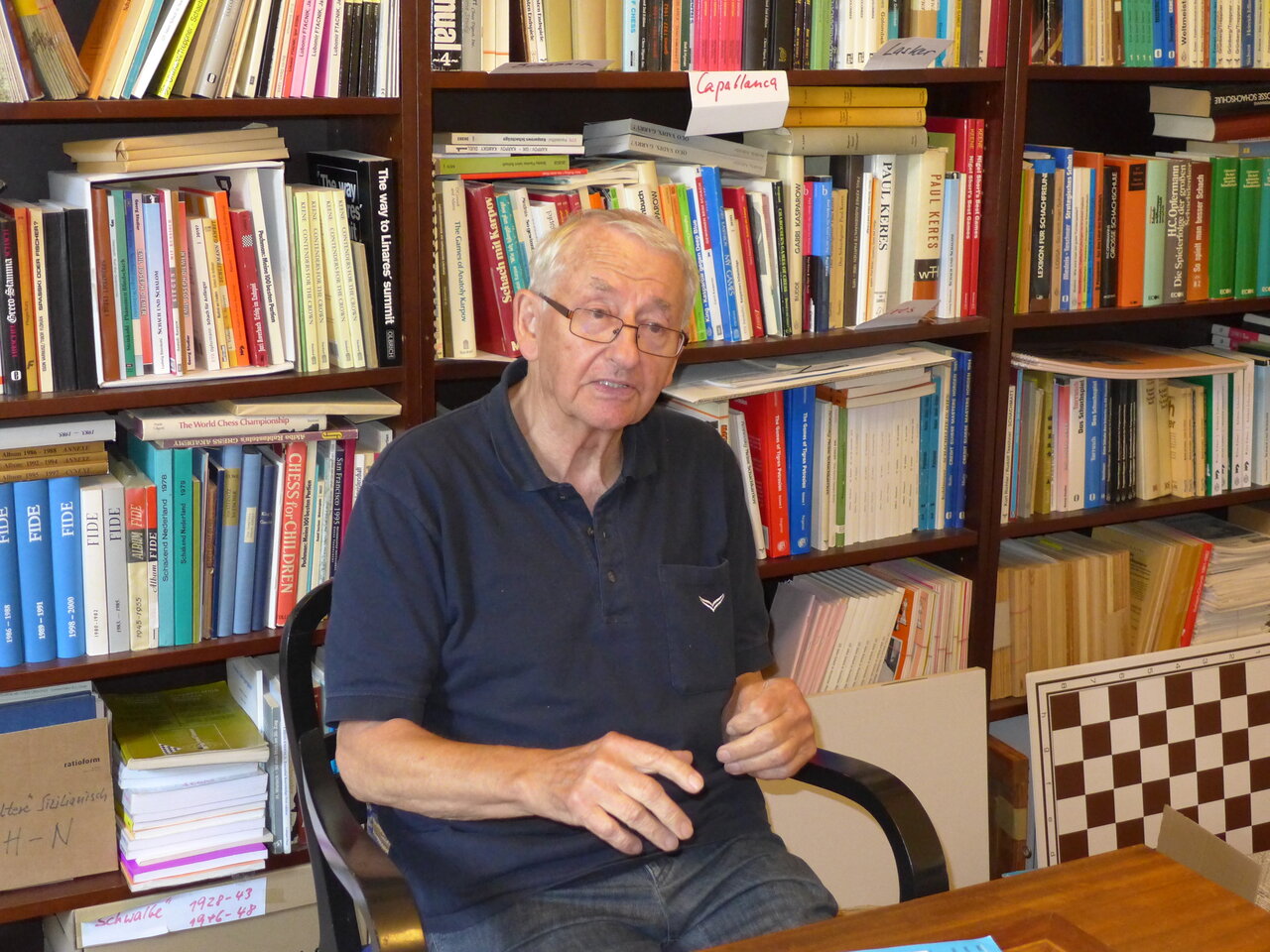
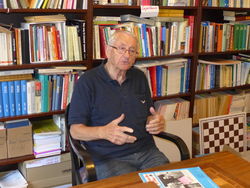
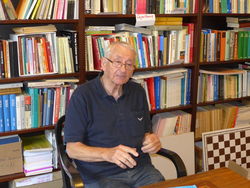
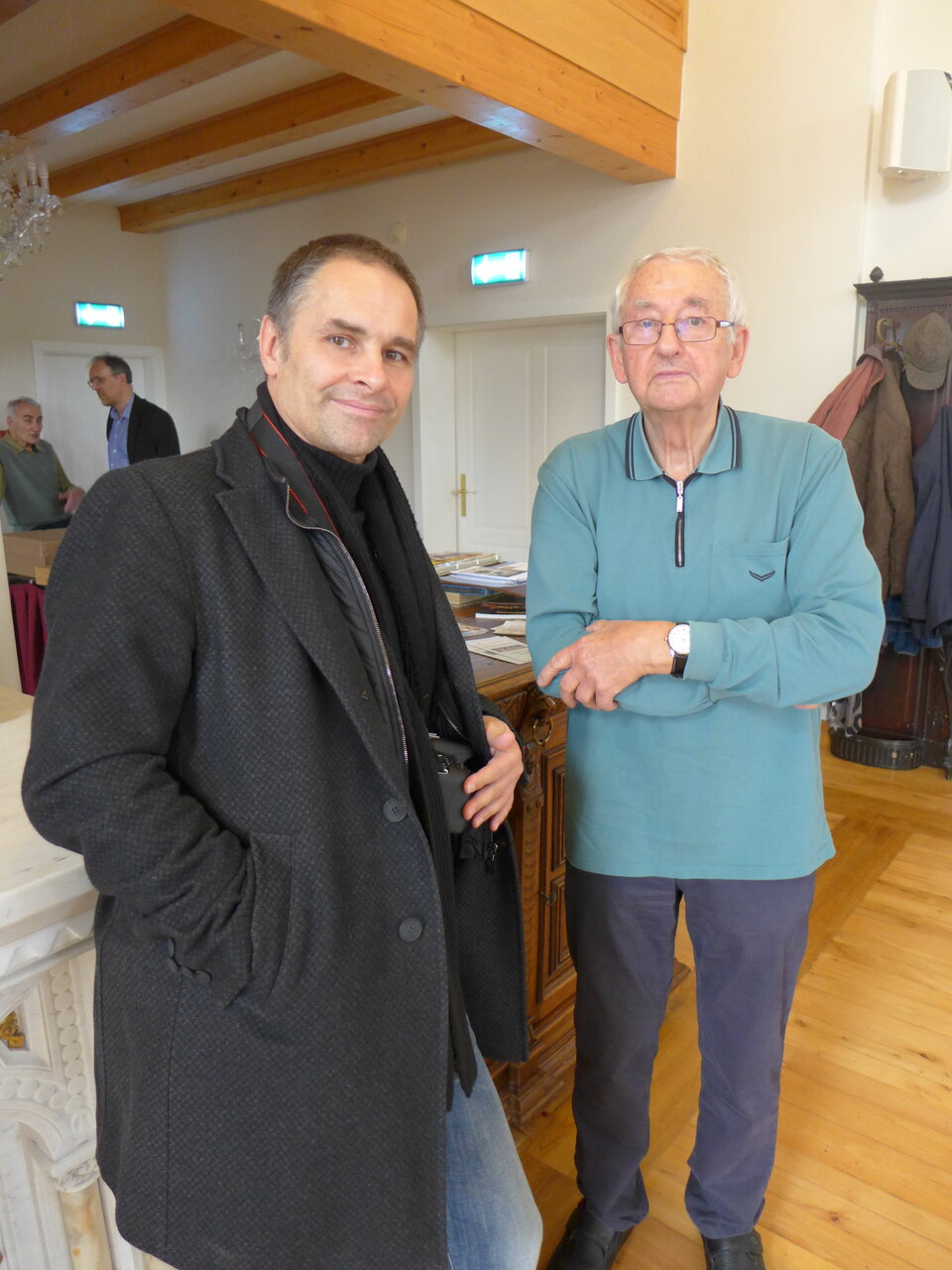
The “storyteller” Manfred Mädler in his Schachhaus, Dresden 2017
From the Elbe to the West and Back to Dresden-Blasewitz
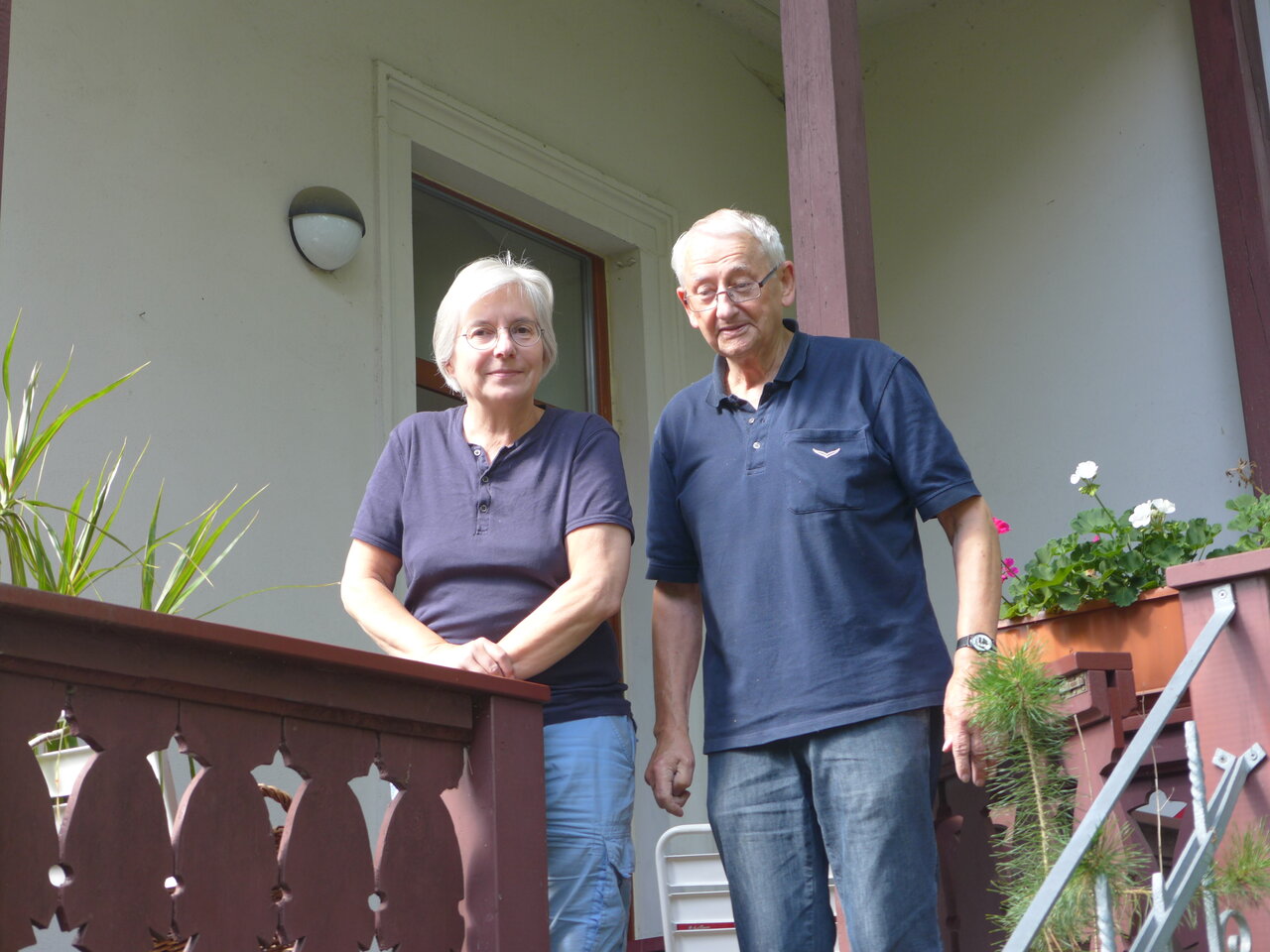
Manfred Mädler’s life trajectory mirrors the tumultuous upheavals of twentieth-century Germany in an exceptionally striking manner. Born in Dresden on 15 July 1934, he grew up in a family whose roots were deeply embedded in the ironmongery trade. His grandfather, Master Farrier Heinrich Mädler, had shod the horses of the Dresden tramway (Dresdner Pferdebahn) in Striesener Straße – and was in his youth an immediate neighbour of the family of the future politician Herbert Wehner. It was the grandfather who, in 1936, purchased the handsome villa at Wägnerstraße 5 in the Blasewitz district from a merchant in the metal trade. Meanwhile, Manfred’s father, Paul Mädler, managed the family business in Blochmannstraße.
The horrors of the Second World War struck the family severely: during the devastating air raids on Dresden in February 1945, the family shop in the city centre was destroyed. As a ten-year-old boy, Manfred was conscripted into the Hitlerjugend merely two weeks before the end of the war and trained on the Panzerfaust. Immediately after the war came a fateful turn of events: Soviet officers were billeted in the family home in Blasewitz. One of them taught young Manfred the game of chess – the initial spark for a lifelong passion.
Following his attendance at the Schiller-Gymnasium in Dresden and an apprenticeship as an ironmongery merchant at "Eisen-Richter", the family enterprise in its makeshift garage workshop offered no viable economic future in the fledgling DDR. In October 1952, his parents sent him via Berlin to the West. Manfred’s itinerant years led him to Switzerland, to Stockholm – where he catalogued historical collections in the library of the Swedish Chess Federation – and eventually to a position as head of field sales for the Bundesverband Deutscher Eisenwarenhändler (FDE).
The travel-loving merchant seized his business journeys across the Federal Republic to forge connections with approximately 200 chess clubs. As early as 1962, in his autobiographical notes Erlebtes und Erlittenes, he remarked with a smile: "He who travels has a tale to tell. A journey to fellow chess friends likewise yields its harvest."
Intermediary stations brought him to Lübeck, where he served from 1972 to 1973 as Vice-President (2. Vorsitzender) of the Lübecker Schachverein von 1873. With immense organizational flair, he helped shape the centenary celebrations in the Travemünde Kursaal – complete with humorous tribulations surrounding a tardy spa orchestra (Kurkapelle), revelrous Scandinavian companions and Grandmaster Lothar Schmid during a youth simultaneous display. Upon his return to Düsseldorf in the late 1950s, he founded the pioneering chess club "Fideler Bauer", striving for gender parity, and delivered chess courses at adult education centres (Volkshochschulen), retirement homes and correctional facilities.
At one of his Düsseldorf VHS courses in 1989, he met and fell in love with the chemist Monika Hommes; their marriage followed in 1994. Together, the couple relocated the entire chess mail-order business, including its vast book stock, back to Manfred’s ancestral home in Dresden-Blasewitz in 1996. On the first floor of the villa at Wägnerstraße 5, an impressive specialist library of over 6,000 volumes was established, supplying customers in more than 70 countries. Even an existential crisis in mid-1998, when the house seemed threatened by restitution claims, was happily resolved after the claimant acknowledged the lawful pre-war purchase by Manfred’s father. Thus the chess sanctuary was saved, and Manfred’s life cycle came full circle.
The Dresden Years - KWA Meeting, Summer Tournaments and Collector Culture
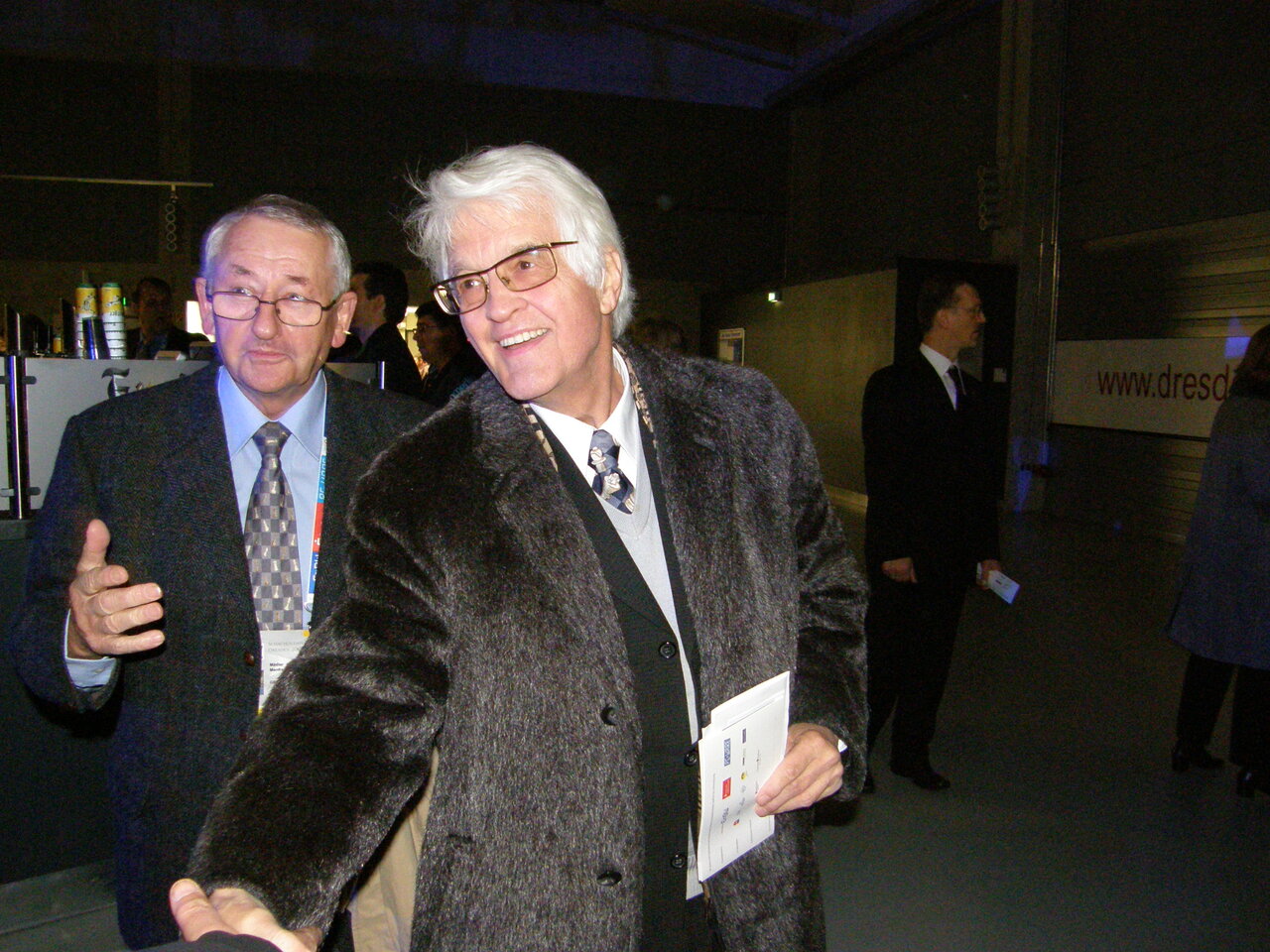
Despite the geographical distance following the relocation in 1996, our contact never faltered. From 1998 onwards, I played for several years at the Dresdner Sommer. My visits to the Schachhaus at Wägnerstraße 5, the convivial gatherings in front of the former goat shed in the garden (which had been converted into a guest house), and evening excursions to the Dresden haunt "Gelbfüssler" for Flammkuchen and Alsatian wine were mandatory components of our well-being routine.
Time and again, enriching encounters arose at chess-cultural events: unforgettable remains the Lasker conference of the Emanuel-Lasker-Gesellschaft in January 2001 in Potsdam – with Manfred at one’s side, life was quite simply never dull. A special highlight was the annual meeting of the Ken Whyld Association (KWA) during the Dresden Chess Olympiad in 2008. On the occasion of the Olympiad, Manfred transformed Wägnerstraße into a charming "Mädlerpassage", adorned with illuminated chess pieces on the windowsills, assisted us with great enthusiasm in local organization, and moderated the public panel discussion "Ticken Schachspieler anders?" ("Are chess players wired differently?") in the Schillergarten.
Particularly close to Manfred’s heart, alongside literature, was a very specialized field of collecting: vintage chess clocks and the history of time measurement, a subject covered extensively by the magazine KARL (Issue 02/2001). In subsequent years, we met regularly at the annual gatherings of the German section of Chess Collectors International (CCI) and, from 2016 onwards, at the German Medical Chess Championships (Deutsche Ärztemeisterschaften), where Manfred and Monika traditionally managed the book stall – for me most recently in April 2019 in Bad Homburg.
An Assessment across 64 Squares
Manfred Mädler’s life's work was distinguished by astonishing versatility. As professional travel hindered his regular over-the-board play, he turned as early as 1951 to correspondence chess within the Deutscher Fernschachbund (BdF). In the pre-computer era, correspondence chess demanded pure analytical intellect and deep literary research. Manfred achieved international success: in 1968, the international governing body ICCF awarded him the title of International Correspondence Chess Master (FS-IM) – making him one of the very first German players to achieve this distinction. In the Candidates Tournament, he narrowly missed qualifying for the World Championship Final by a mere half-point, scoring 11:1. In 2001, his promotion to Senior International Master (FS-SIM) followed, complemented by the Bertl von Massow Medal in silver and gold.
As a journalist and publisher, he likewise left an enduring mark: for two decades he edited the weekly chess column of Stern magazine, contributed columns to Handelsblatt and Schwäbische Zeitung, and published the Bunte Gambitserie as well as Die Gambit-Revue (until 2002) through his publishing house. As a publisher, he brought out significant specialist literature – including the Diemer biography, works on Bobby Fischer’s 1992 match in Sveti Stefan, and rare volumes on losing chess (Räuberschach).
His equipment became familiar to nationwide television audiences through the legendary WDR programme Schach der Großmeister (1983–2005), which Manfred supplied. From these endeavours grew a close friendship with Grandmasters Helmut Pfleger and Vlastimil Hort.
Unyielding Spirit and the Farewell in July 2026
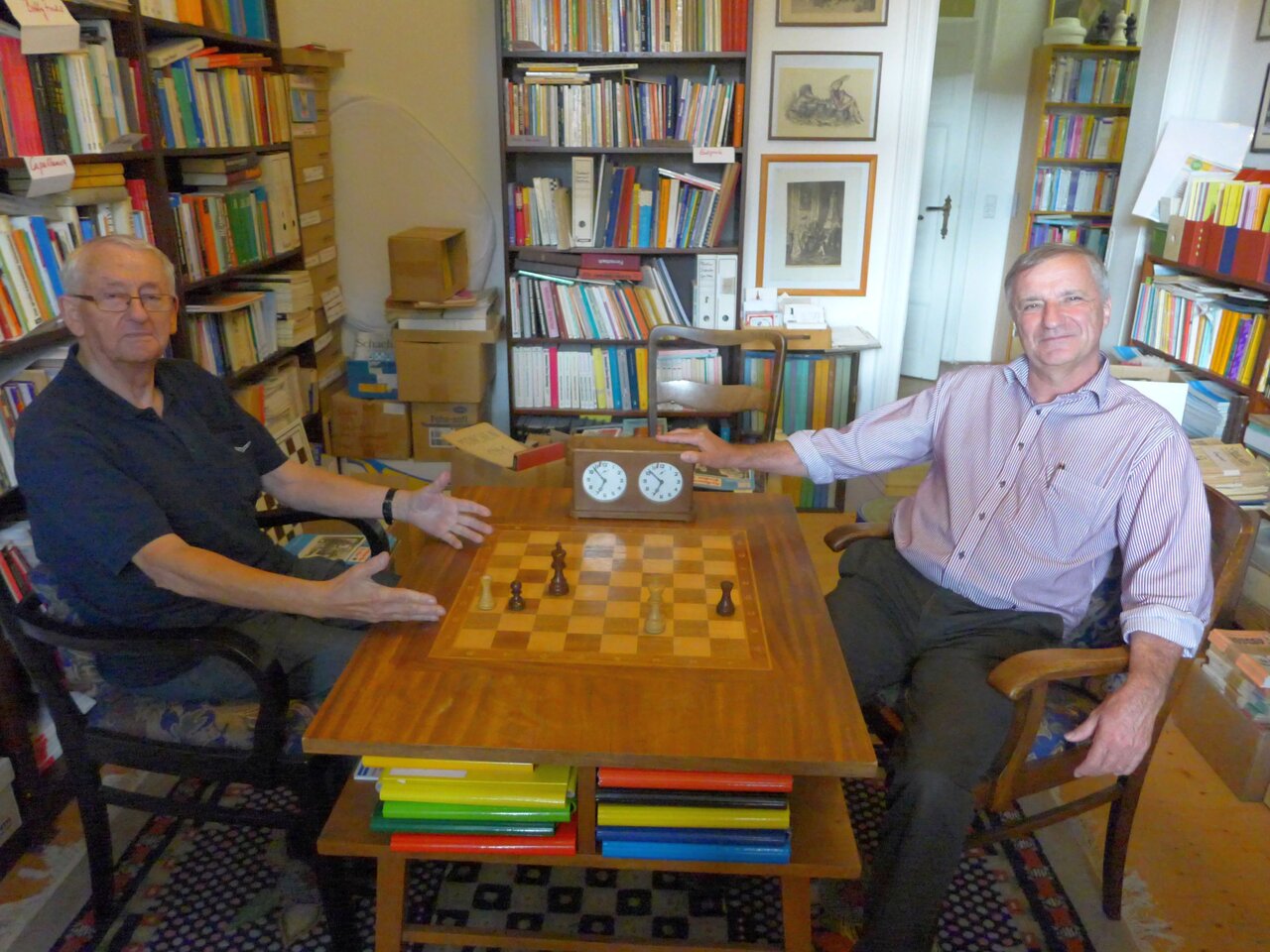
In his final years, Manfred’s physical strength gradually diminished, and travelling became increasingly arduous. Intellectually, however, he retained an enviable vigour until his very last day. During our regular telephone conversations, we talked passionately about old books, historical openings, and spoke of his close friend Vlastimil Hort, whom Manfred always respectfully described as "a giant".
A brilliant memory, rapid comprehension, considerable general erudition and, above all, an irrepressible sense of humour characterized Manfred Mädler well into advanced age. Just as Sandra Schmidt of the DSB observed – "If you spoke with Manfred for even 15 minutes, you immediately felt better" – so generations of chess enthusiasts experienced him at his bookstand.
Thus I shall cherish Manfred Mädler in my memory. It was a profound joy and privilege to spend a few precious hours with him once more in July 2026 during the Chess Summit in Dresden, within "our little kingdom on 64 squares".
A true institution and an incomparable human being has departed from us. Manfred, you will be immensely missed by me and by the entire chess world.
Dr Michael Negele, November 2026
Companions and Friends Remember
Exceptional personalities leave indelible footprints in many hearts. In order to pay a more comprehensive tribute to the multifaceted aspects of Manfred Mädler’s life and work, three close companions, friends and CH&LS members share their personal recollections below.
Gerhard Ihlenfeldt: Four Decades of Closest Friendship
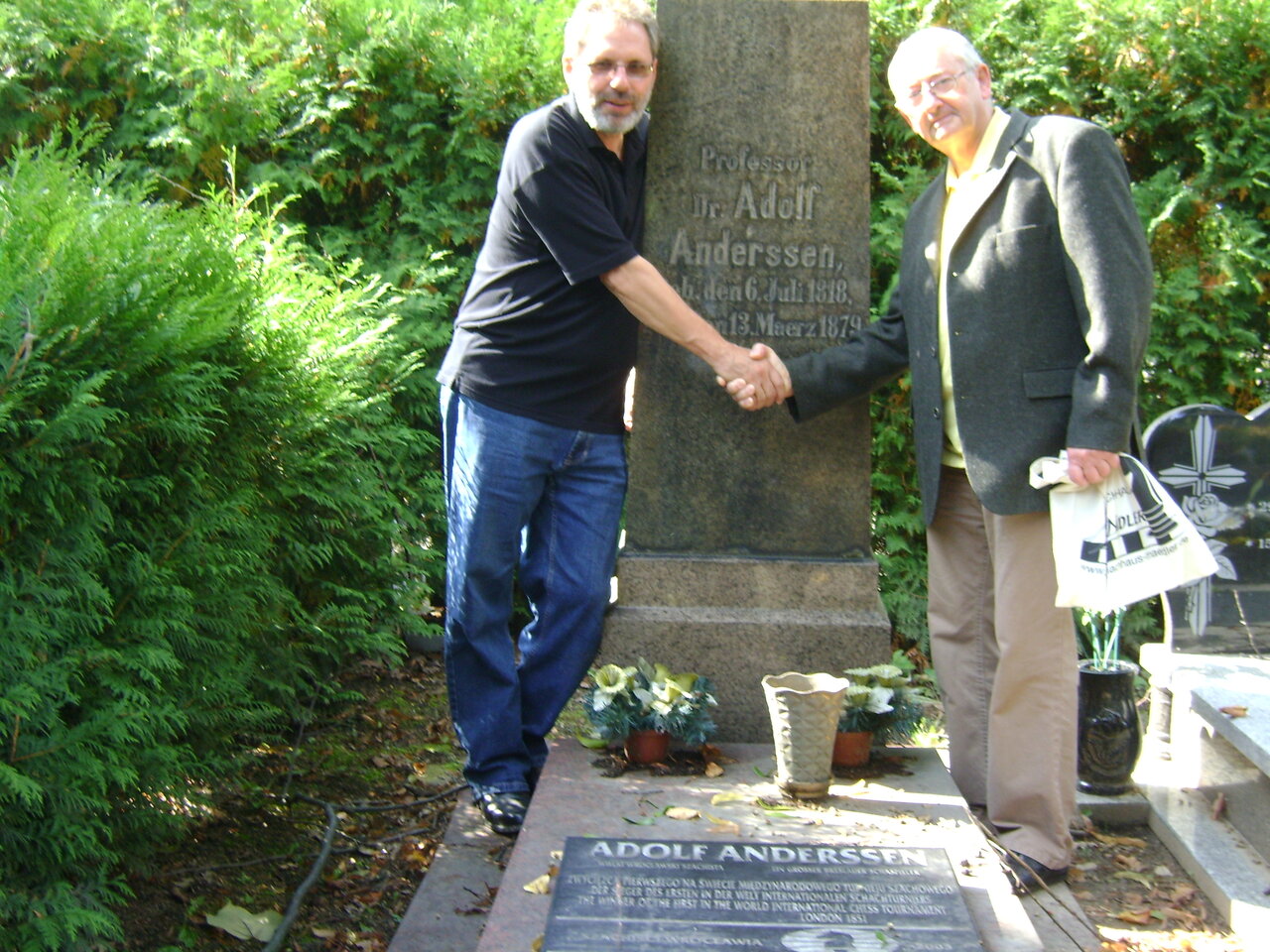
Gerhard Ihlenfeldt was Manfred Mädler’s closest friend for over 40 years. As long-standing Senior Officer in the Schleswig-Holstein Chess Federation and an active member of the BdF, he shared with Manfred not only a passion for the royal game, but also countless joint journeys across Europe spanning more than two decades.
"Forty years of friendship now come to an end. Manfred, it was a wonderful time with you; our annual journeys across many countries over twenty years leave memories that no one can ever take from me. Thank you, Gerhard."
Ralf Jürgen Binnewirtz: From Düsseldorf Airport to the Garden House in Dresden-Blasewitz
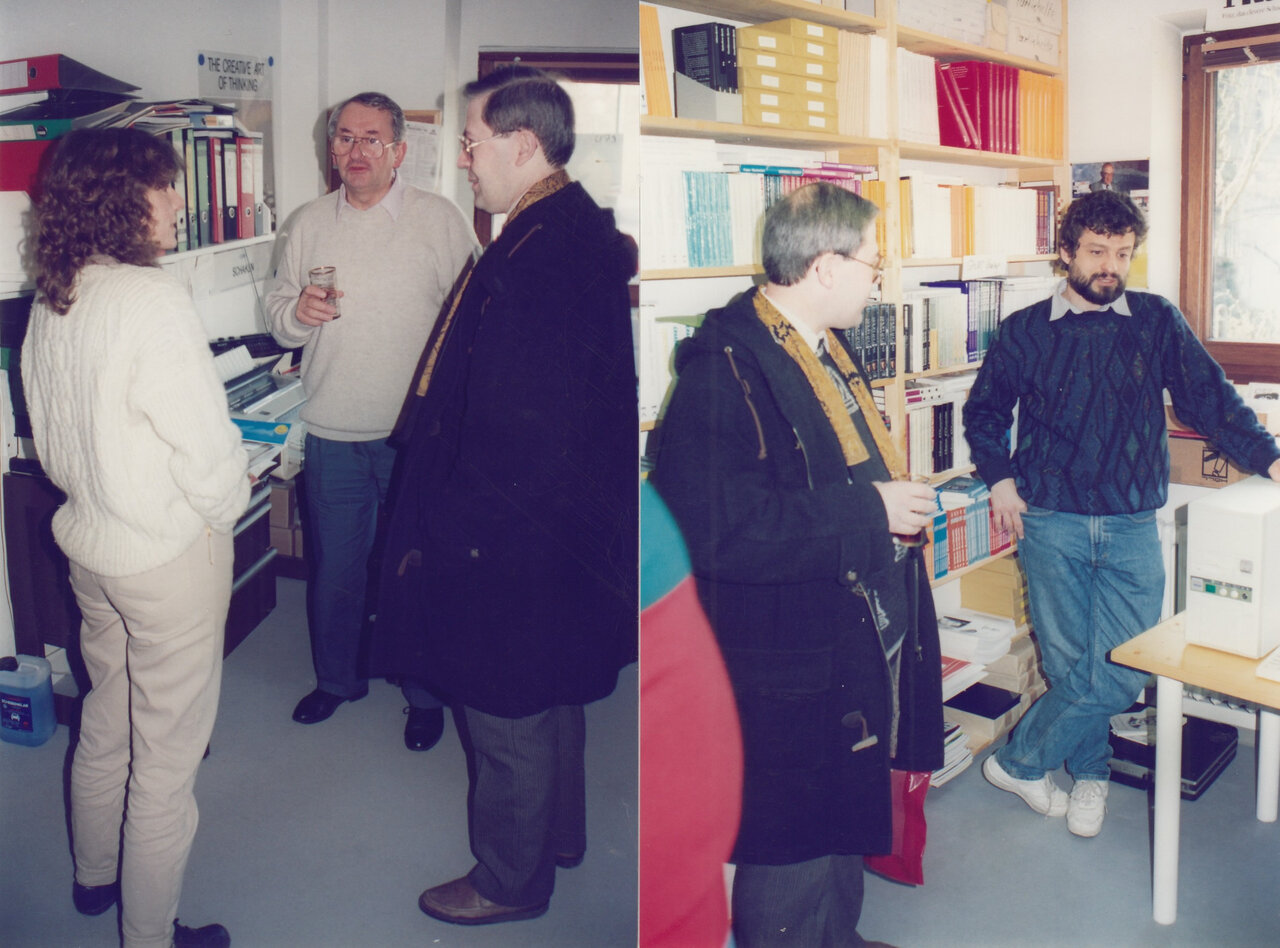
Ralf Jürgen Binnewirtz (Krefeld/Hagen) is a chess historian, bibliophile, author and long-standing member of the Ken Whyld Association (KWA) as well as the Chess Historical & Literary Society (CH&LS). He looks back upon more than thirty years of personal friendship and successful publishing collaboration with Manfred Mädler.
"Although word had already reached me that Manfred Mädler’s health was in a critical state, I was nonetheless deeply shocked and saddened when I learned via the German ChessBase site that he was no longer among us. I should like to recount here some of my thoroughly delightful memories of him.
It must have been around 1994 when I first visited Schachhaus Mädler near Düsseldorf Airport. I encountered a lively, eloquent, amiable gentleman of engaging disposition, who was always ready with an amusing anecdote from his rich chess life. For me, as a then still modest collector, a true Eldorado of chess literature opened up, particularly of antiquarian volumes, through which customers were invited to browse at leisure. It was inevitable that I became a regular patron – as a weekend commuter from Hagen to my primary residence in Krefeld, the bookshop lay practically en route, and purchasing a stack of new and old chess literature was the ideal prelude to the upcoming weekend.
At that time, Monika Hommes was also working diligently in the business. Manfred had met her in 1989 during one of his adult education chess courses in Düsseldorf; they subsequently married – a union for life. As a chemist holding a university degree, she executed a radical castling move in her career, enabling both partners to combine hobby and profession in happy synthesis. It was by no means unusual for prominent chess masters to drop by for short visits at the Mädler home; thus, one winter’s day in 1995/96, the Czech Grandmaster Lubomir Ftáčnik blew in, as a rediscovered photograph from my archive confirms.
When the Mädlers departed Düsseldorf in 1996 to continue the Schachhaus in the inherited family villa in Dresden-Blasewitz, it was certainly a melancholic event for me. In return, I spent a one-week summer holiday in Dresden in three consecutive years – 1996 to 1998 – conveniently taking up residence in the garden house of the Mädler villa, which had been converted into guest accommodation from a former goat shed. Exploring the numerous sights of Dresden and its surroundings was one side of the coin; the other consisted of the time shared with Manfred and Monika: social gatherings in the evening outside the little garden house, visits to restaurants in Blasewitz, Dresden Old Town or along the banks of the Elbe, as well as excursions with Manfred – I recall trips through Saxon Switzerland into the Ore Mountains (Erzgebirge) and to the border town of Bad Schandau. Among the culinary highlights were wine tastings at the Dresden venue "Gelbfüssler", a small atmospheric local in Alaunstraße, where superb Alsatian wines were served alongside excellent Flammkuchen. And not least, I spent many an hour sifting through the literary treasures piled up in the cellar and ground floor of the villa.
Manfred was not among the grand collectors of chess literature per se, but one collecting domain held a particular fascination for him: vintage chess clocks. His profound knowledge in this field and his historical clock collection were featured in the magazine KARL (Issue 02/2001) under the title "Die Vermessung des Denkens. Manfred Mädlers Schachuhren und die Geschichte der Bedenkzeitmessung" ("Measuring Thought: Manfred Mädler's Chess Clocks and the History of Time Control").
An existential crisis out of a clear blue sky threatened Schachhaus Mädler in mid-1998: in the early 1990s, Jewish restitution claims had been lodged regarding the house at Wägnerstraße 5. The villa was in danger of being awarded to the heir of the original owner. After months of nervous strain and sleepless nights, relief arrived at last: the claimant acknowledged the lawful pre-war purchase of the house by Manfred’s father and waived restitution. Schachhaus Mädler was saved!
Joint activities with Manfred in the realm of chess ought not to go unmentioned: thus, from 1998 to 2000, we continued the 'Extra Knifflige Preisrätsel' (Extra Tricky Prize Competition) for the magazine Schach at the end of each year, succeeding Alfred Diel. In 2000, my first chess book, Schlagabtausch im Räuberschach, was published by Schachverlag Manfred Mädler. Two years later, I assumed responsibility for the problem column in Die Gambit-Revue; however, this magazine published by Manfred was not destined for a long life – after a mere two issues in 2002, publication ceased.
I met Manfred in person one last time in Dresden in 2008, when the Ken Whyld Association held its general meeting at the start of the Chess Olympiad. Manfred was a consistently optimistic individual with a hopeful outlook on the future. Quite early on, I had ventured the prediction that he would reach at least the age of 90, which promptly elicited hearty laughter from him. That my assessment ultimately proved accurate and that he was able to live a long, fulfilled life may be a comforting thought. In many respects, Manfred appeared to me as a natural talent; he was a gifted storyteller and, in his lively, effervescent manner, a true entertainer. Manfred Mädler left deep tracks in the world of chess, and he will endure in our memory."
Bernd Schneider: Forty-Five Years of Anecdotes, Phone Calls and Generous Collector Friendship
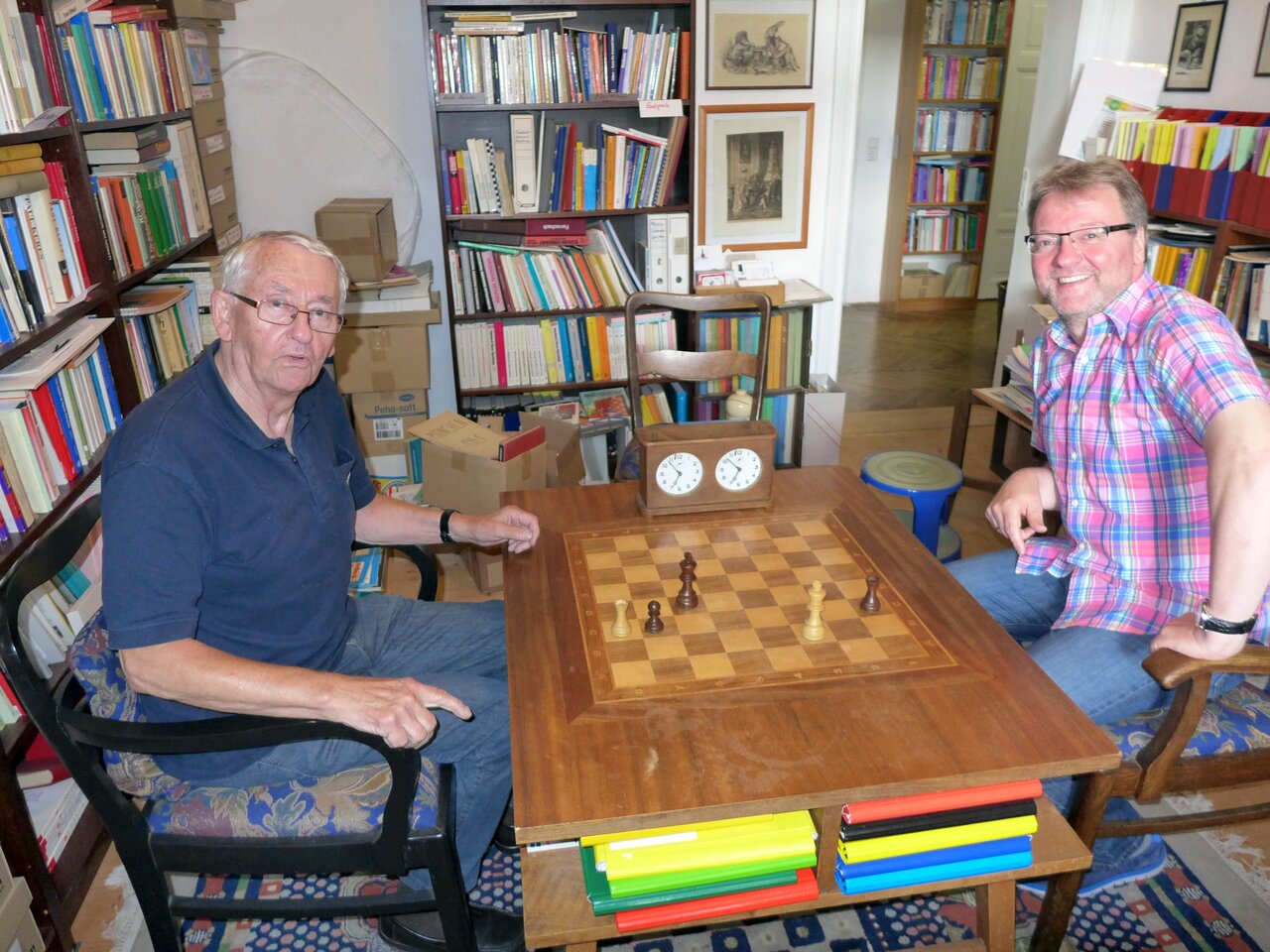
Bernd Schneider (Solingen) is an estate agent, chess collector and member of the Chess Historical & Literary Society (CH&LS). He was closely befriended with Manfred Mädler for over 45 years and describes the matchless atmosphere of their conversations as well as Manfred’s selfless willingness to help.
"Looking back: my office telephone rings; the dialling code 0351 flashes on my display – the first stage of relaxation sets in. No cold call, no client opening with 'Do you have a flat?'. No, it is Manfred. My dear friend Manfred Mädler. And immediately phase two of relaxation arrives.
For a conversation with the Schachhaus proprietor was always amusing, exhilarating and – it must not go unsaid – relaxing. A wonderful relief from the sometimes hectic daily routine. For at the other end of the line sat a man advanced in years, yet when he recounted sharp anecdotes about Kieninger, Hort, Evertz, Nikolai and Frau Rau, it was no old man speaking, but a true youth. One was entertained in the finest fashion. And as I too enjoyed telling old stories and had identified Manfred as a listening victim, he laughed boisterously – the young spirit in the aging body. I shall miss that laughter.
'Thank you,' he regularly said upon taking his leave, 'thank you for such a wonderful conversation.' In doing so, he guaranteed me pure relaxation; many thanks in return! His stories, masterfully served, I shall now recount only in spirit. I could write a book about Kieninger, Hort and Frau Rau, so deeply have those anecdotes burned themselves into my memory.
On the occasion of the German Senior Blitz Championship, we met at the Dresden venue. We conversed animatedly and allowed no interrupters to disturb us. Every minute was far too precious. Prior to our journey home, I visited the Schachhaus near the 'Blaues Wunder' bridge once more – and here again was the invariably warm reception by Monika and Manfred Mädler.
A few days later, a lady from Dresden contacted me, having inherited a vast collection from her late husband without knowing what to make of it: 'Can you come? There is a great deal of material.' I was in luck, for Mr and Mrs Mädler willingly volunteered to inspect and photograph a colossal collection nearby at short notice. Through this expert assistance, we were able to calculate and execute a four-day journey with a van from Solingen to Dresden. Naturally, my wife and I seized the occasion to see how things were at the Blaues Wunder. A final opportunity for a visit, for which we are profoundly grateful. Here again, the battle-tested senior presented himself once more with an alert eye and lucid mind.
It was a matter close to my heart to dedicate a few personal words to an extraordinary individual whom I knew for 45 years. I am certain there are many readers in Düsseldorf, Lübeck and Dresden whose minds are currently filled with stories of and with Manfred. And let us be honest: would hundreds or thousands of chess friends in 1980s Düsseldorf have made the pilgrimage to the airport merely to buy a book on the Sicilian Defence? No, Manfred’s accompanying anecdote about the old publisher Beyer must not be omitted:
'Call to the Beyer publishing house: "I should like a book on the Sicilian Defence." – "I am sorry," says the chess publisher, who clearly has no notion of chess, "we have nothing on that. But why not take the book on the Italian Game? It is, after all, a game from the very same country."'
On 31 October, Manfred passed away. His body simply could endure no more – quite unlike his untiring spirit.
More photos of Manfred Mädler
-
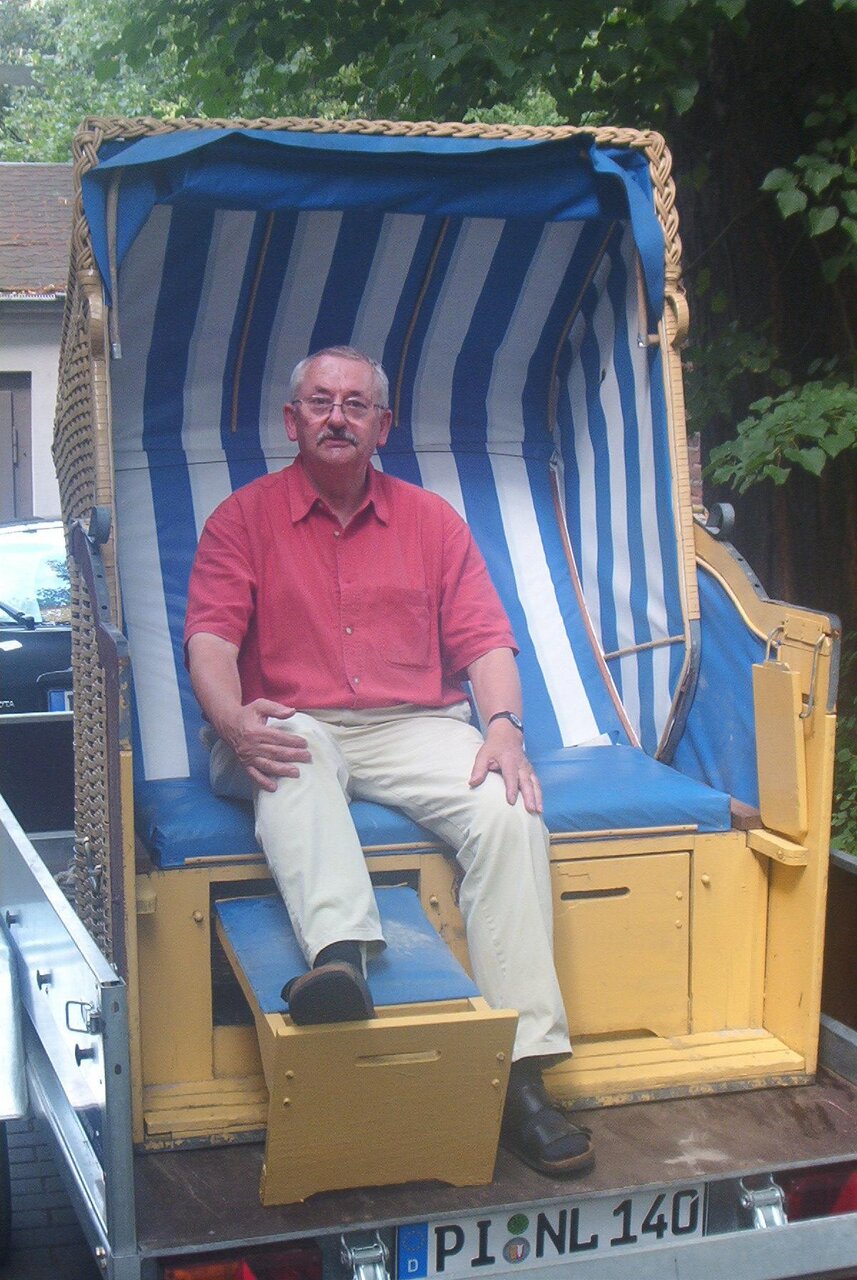
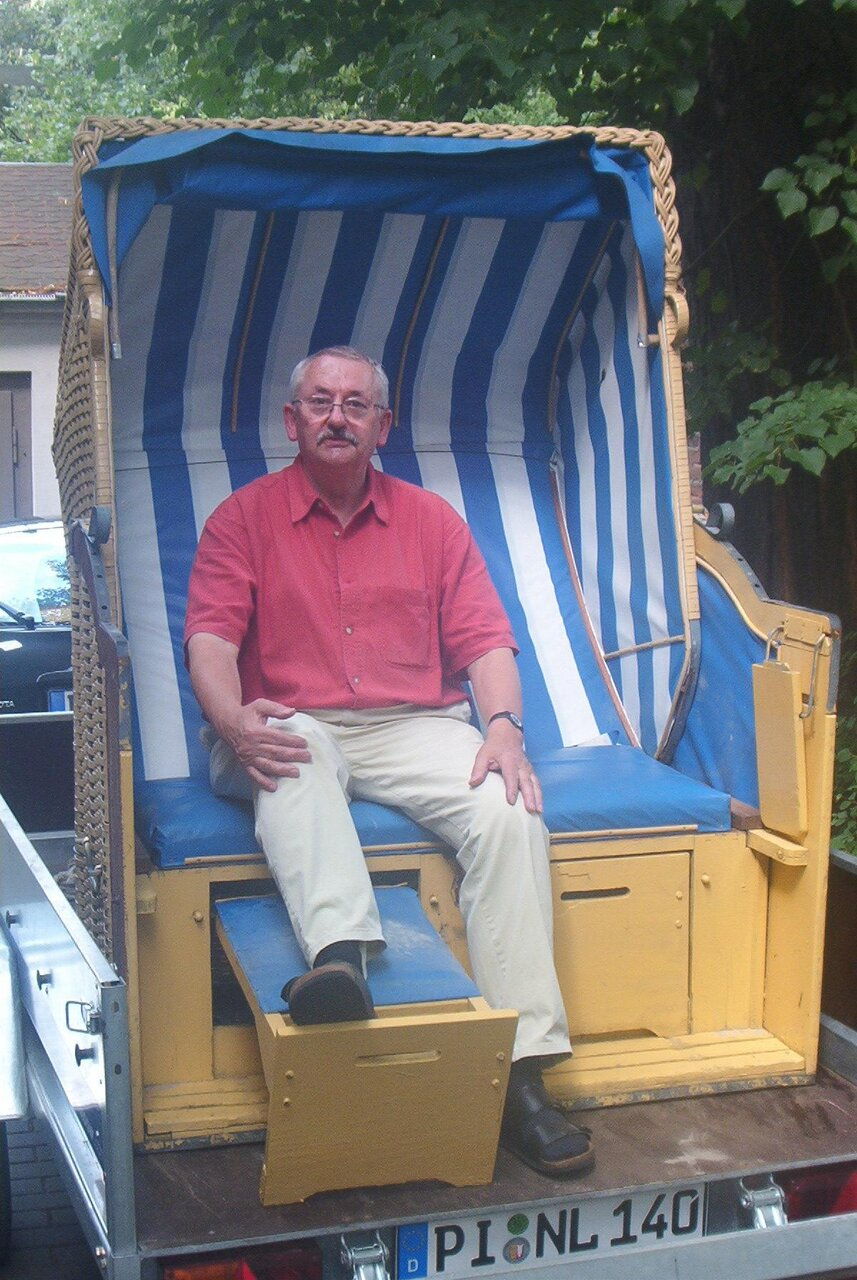 Gerhard IhlenfeldtManfred Mädler in a Strandkorb (beach chair) on his 70th birthday, Travemünde 2004
-
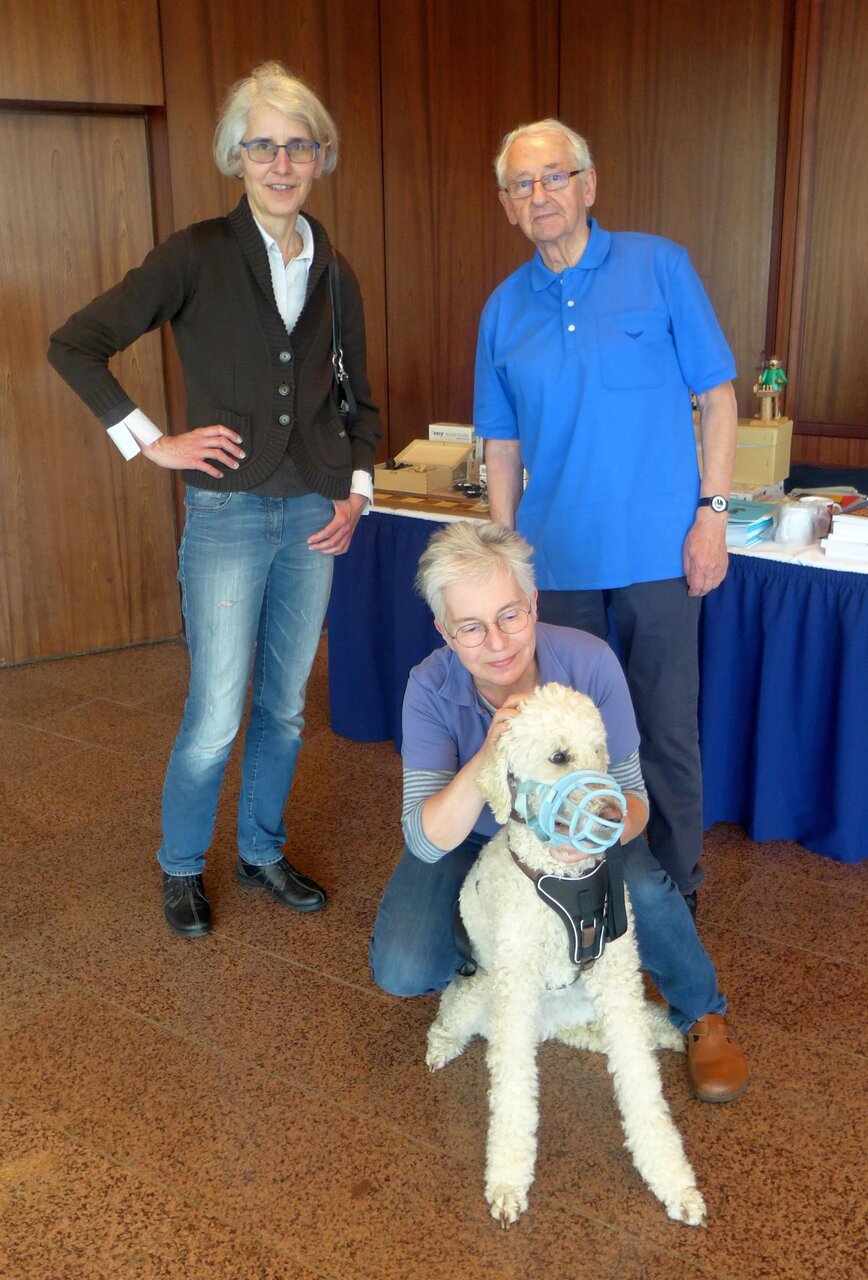
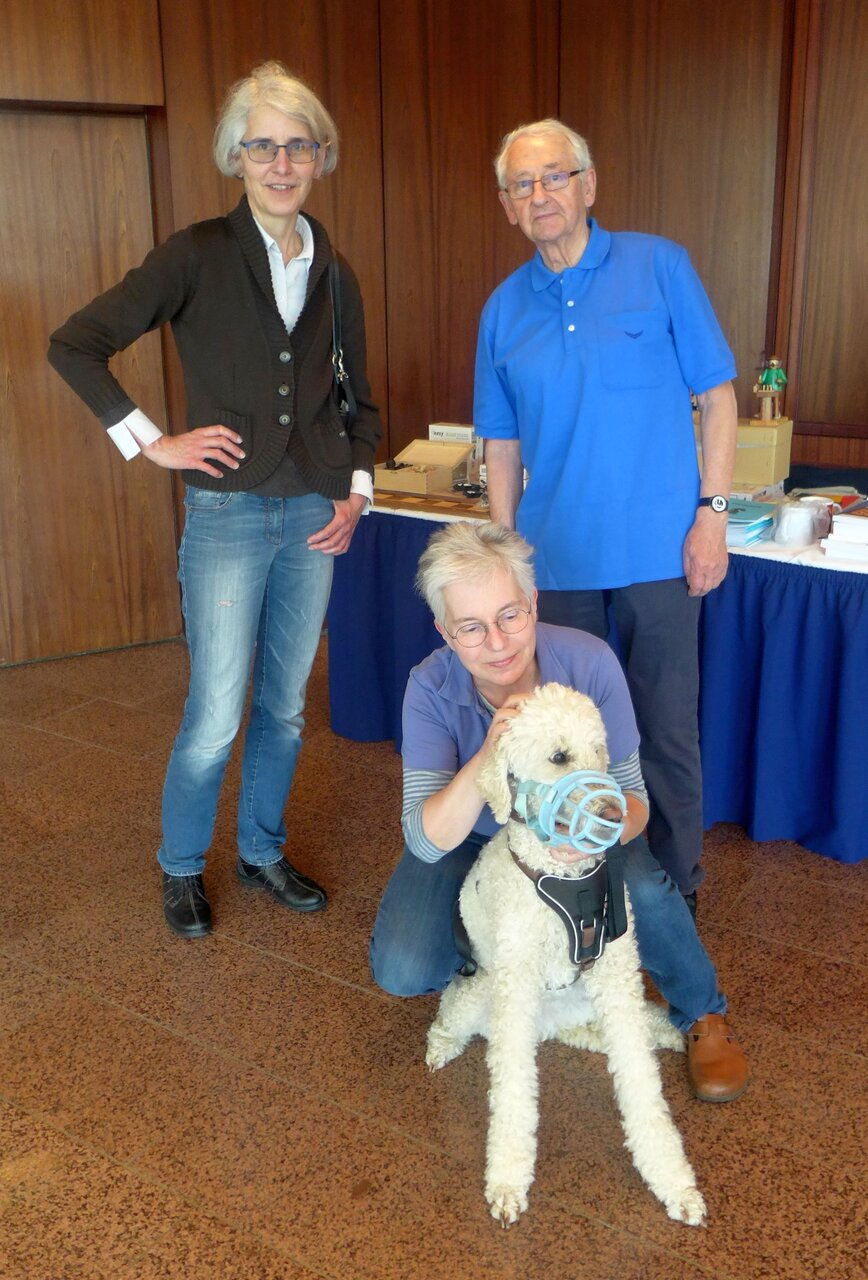 Michael NegeleManfred and Monika Mädler with Marion Negele and Bruna the poodle at the German Medical Chess Championship, Bad Homburg 2018
-
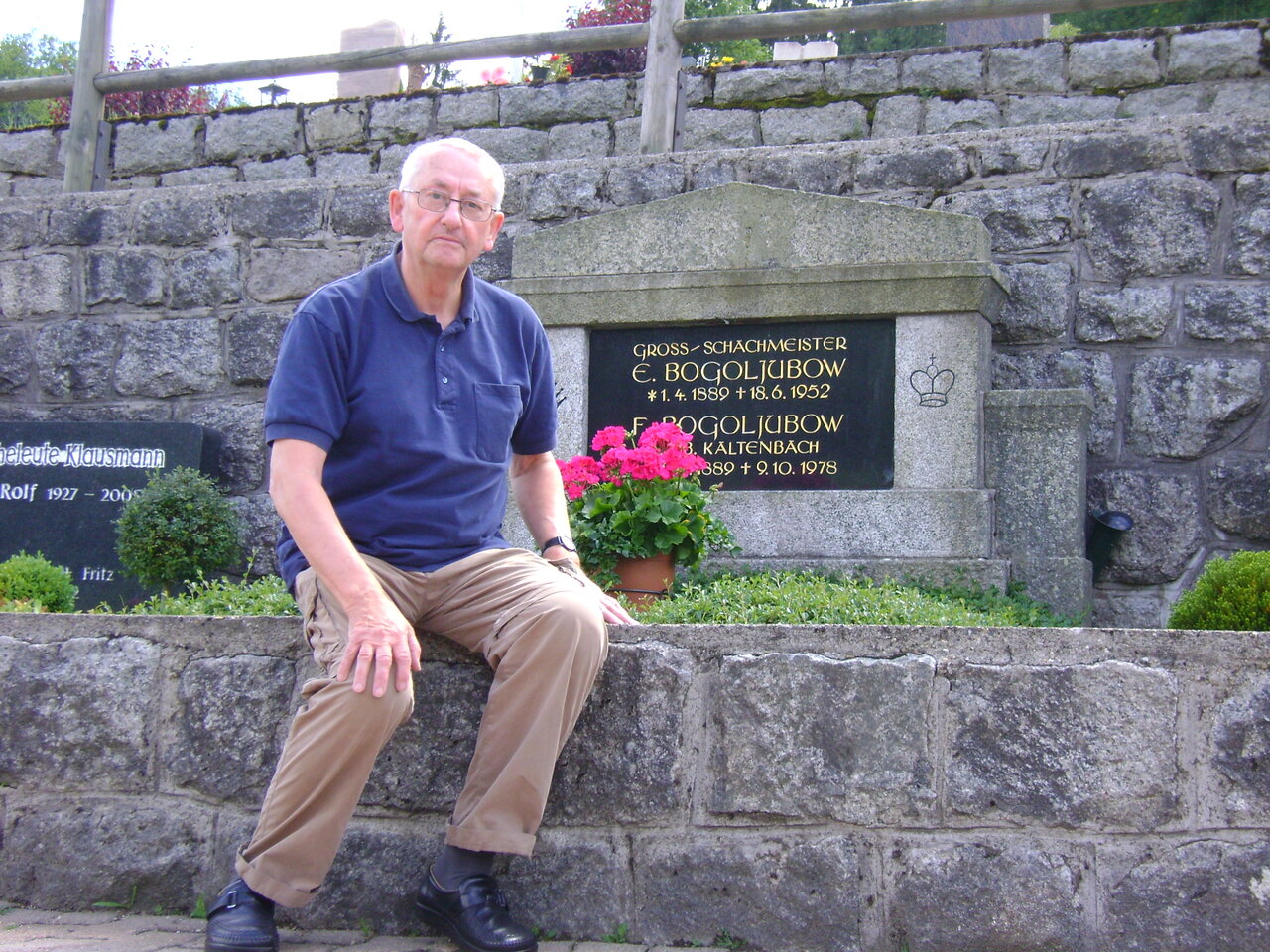
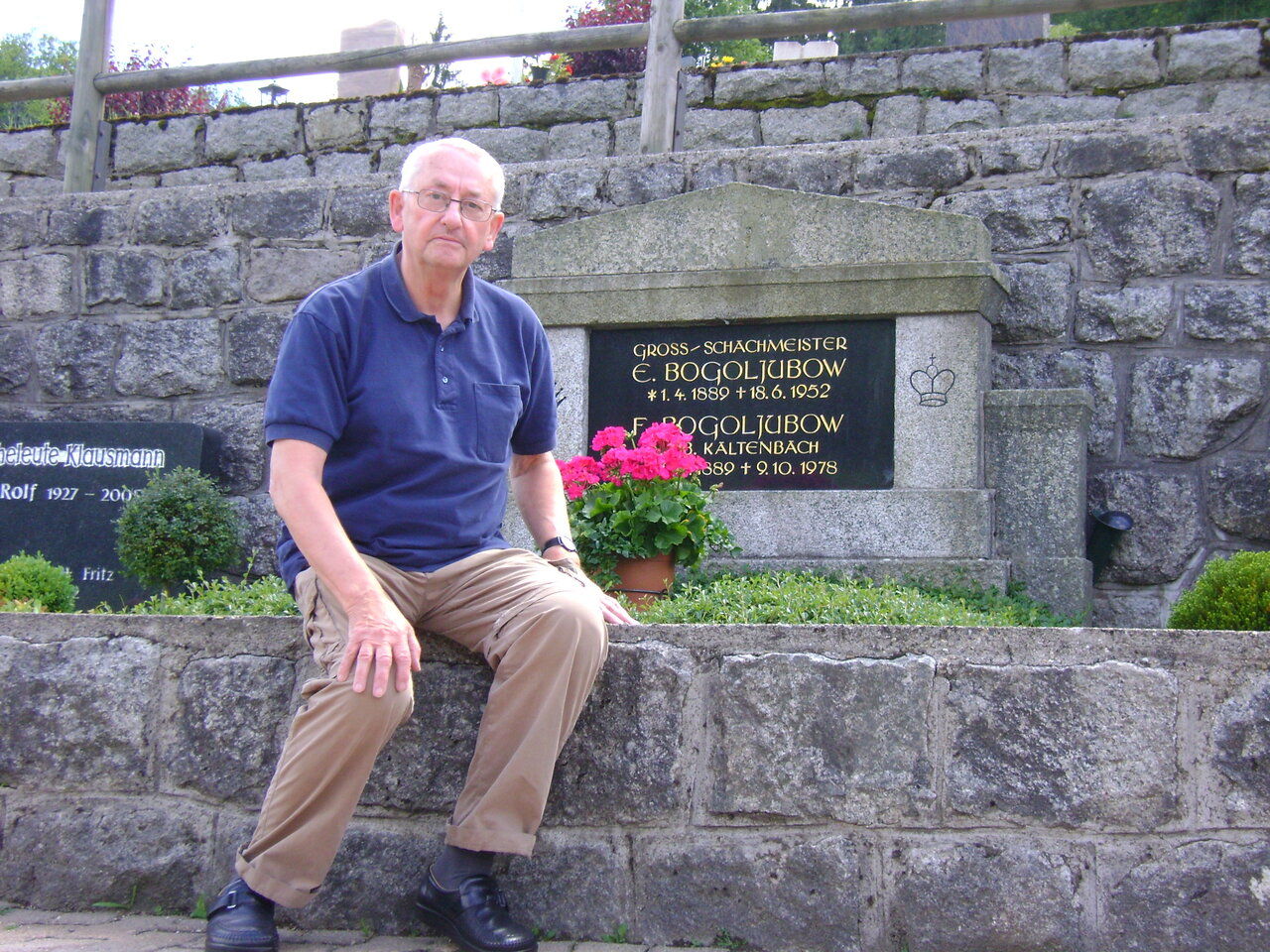 Gerhard IhlenfeldtManfred Mädler at the grave of Efim Bogoljubow, Triberg 2008
-
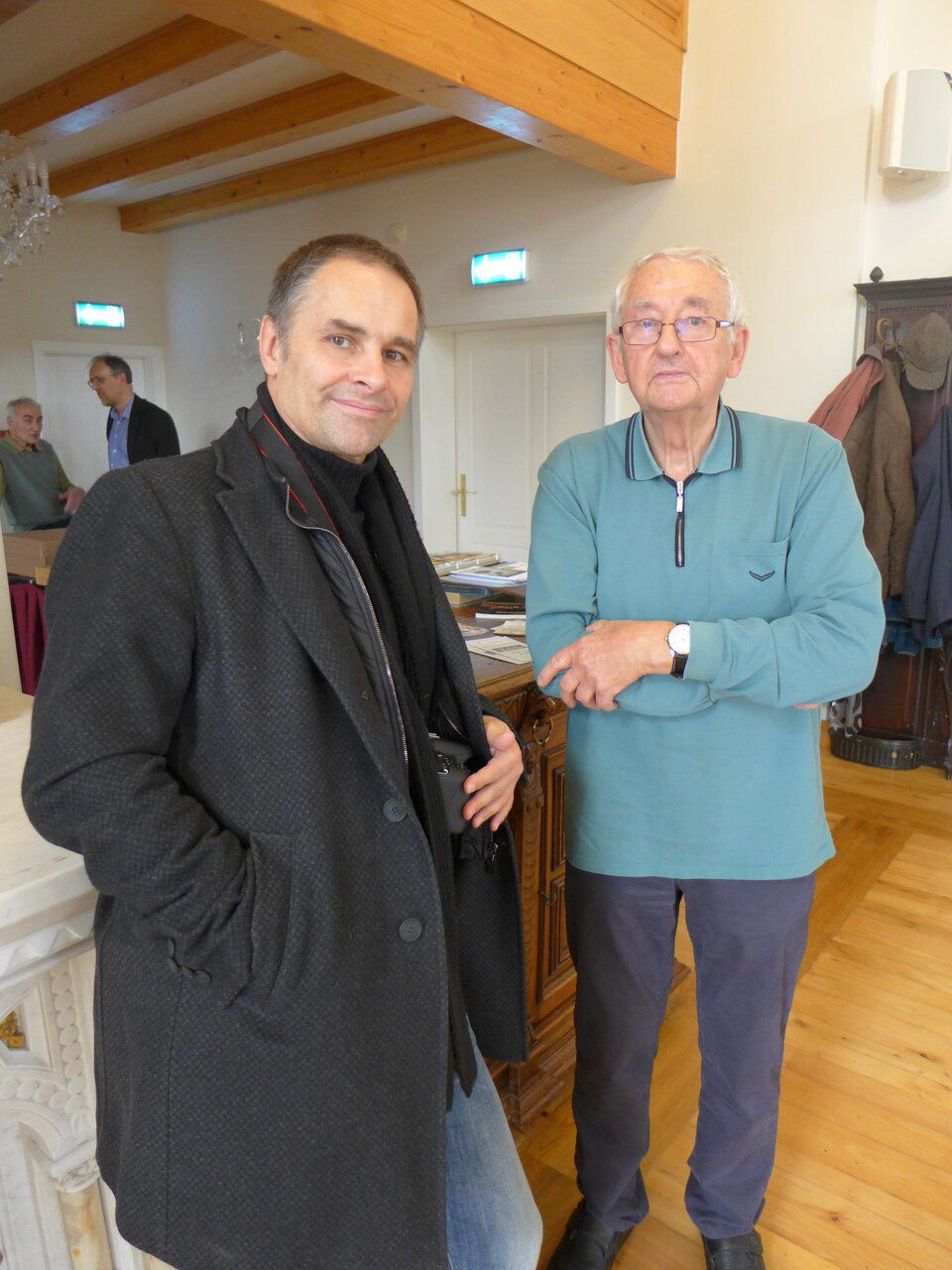 Michael NegeleHarry Schaack and Manfred Mädler at the CCI meeting in Seiffen, 2018
Translated from the German original with the assistance of AI.